What changes the plan
Define what the photographs are for before booking a location: a personal memory, editorial story or commercial listing. Ask the property manager and vehicle owner about the proposed use. Public visibility does not automatically grant permission for a commercial setup. Agree where the car can stand without blocking access, and keep pedestrians outside the working space without claiming the street.
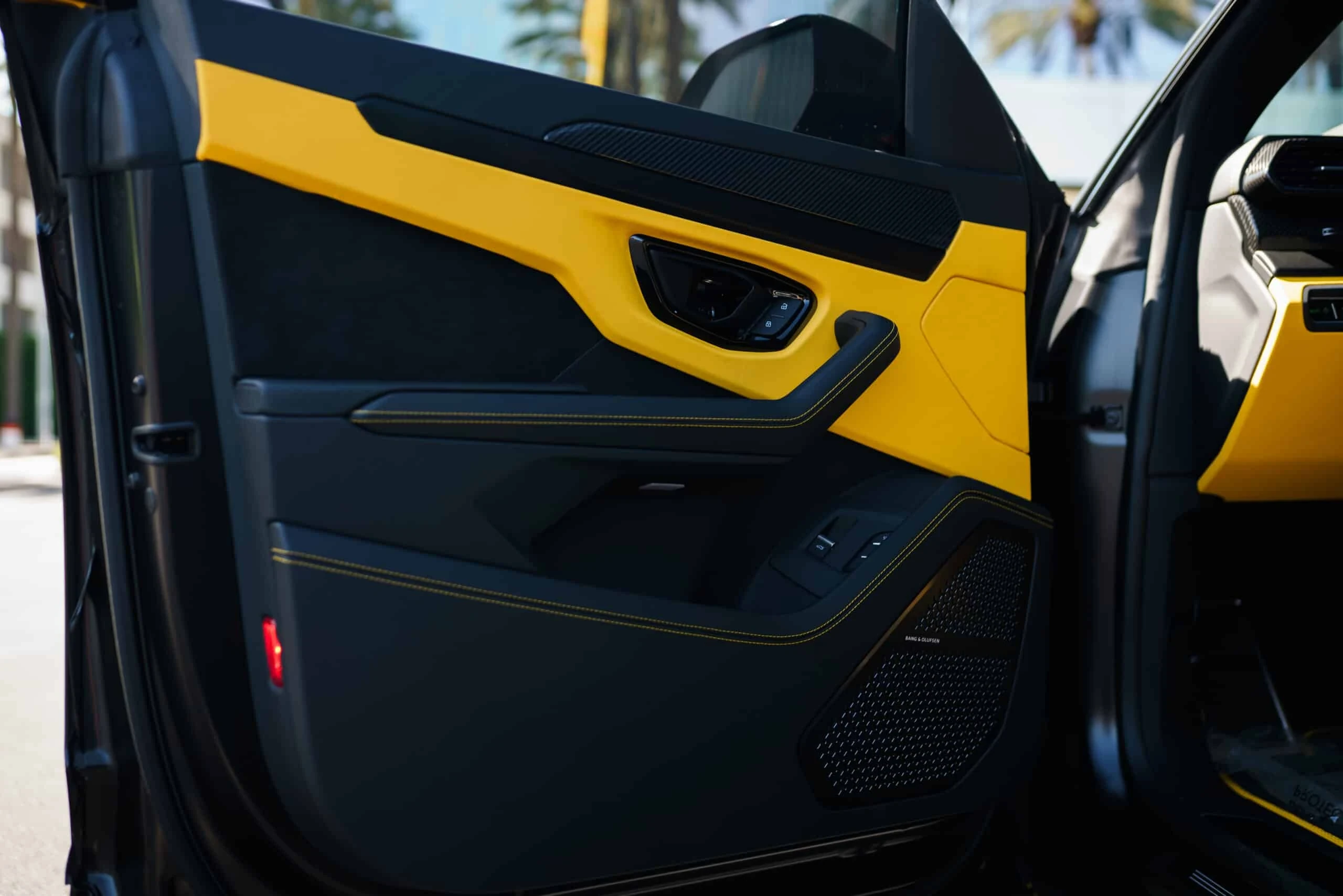
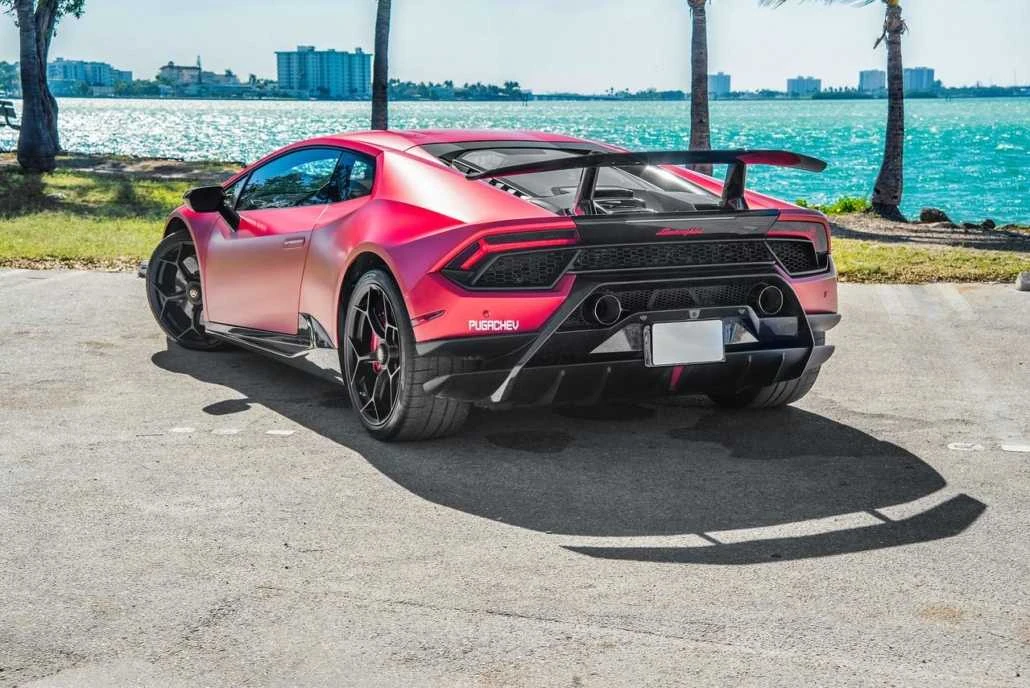
Prepare three useful frames: the whole car, its relationship to the setting and one detail that tells the story. Walk around the parked vehicle to check reflections and clutter before moving anything. Avoid invented motion, smoke or modifications when the image will describe an actual rental vehicle. A clean, truthful frame is more useful to a customer than a dramatic but misleading composite.
Keep the session simple and reversible. Do not attach equipment, apply dressings or open panels without permission. Photograph only when the car is safely parked; road movement needs a separate professional safety plan, not an improvised chase. Deliver the agreed files with usage rights and accurate model identification so the images remain useful after the shoot.